
What to Eat After Root Canal: A Comprehensive Guide
Discover what to eat after root canal for a smooth recovery with soft foods, hydration tips, and foods to avoid in the first 48 hours and beyond.


What to Eat After a Root Canal (Quick Answer)
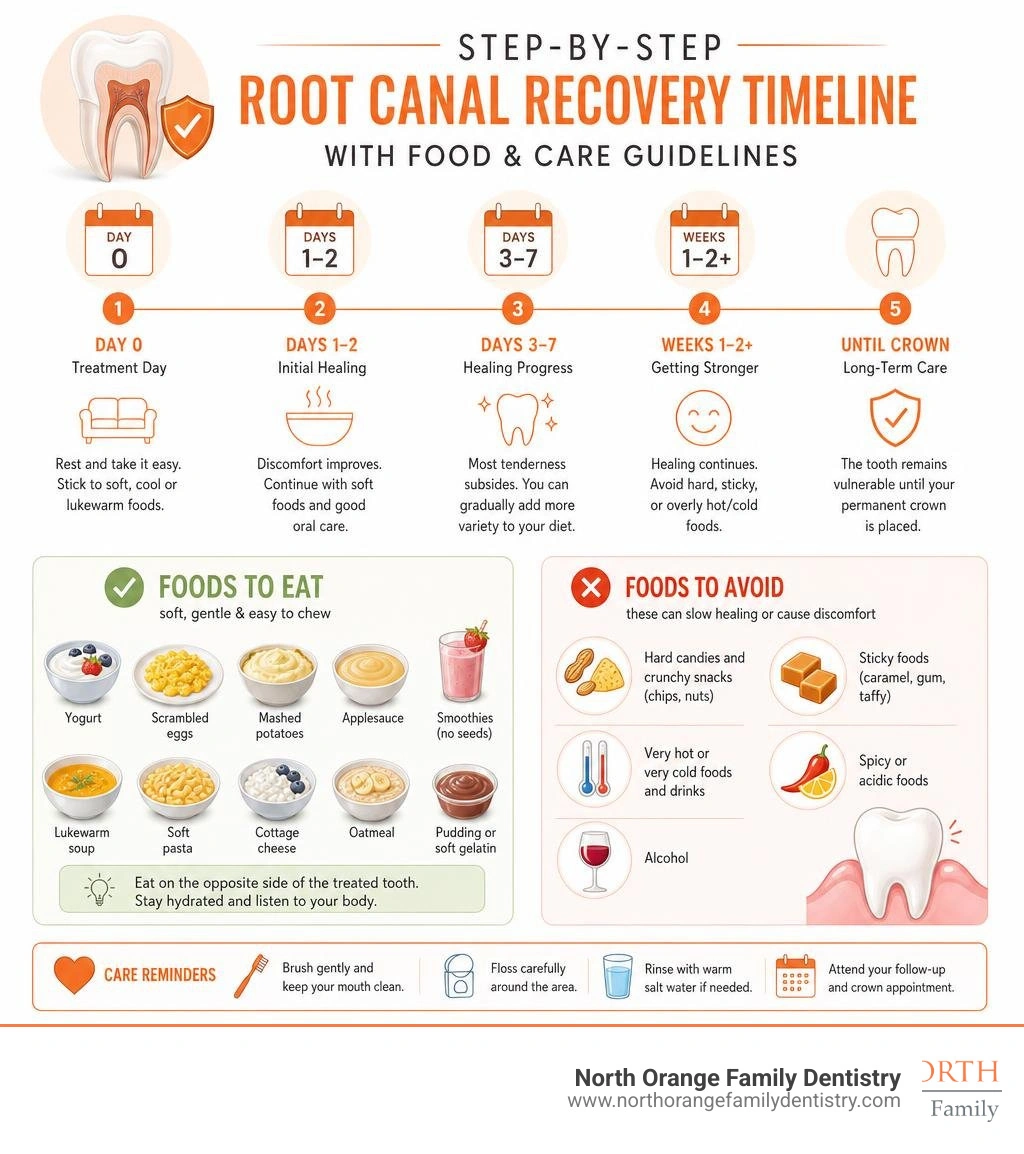
Knowing what to eat after root canal treatment is one of the most common questions patients have before leaving the dental chair — and for good reason. What you eat in the days following your procedure can directly affect your comfort, your healing time, and whether your temporary filling stays intact.
Here's a quick overview of safe foods for the first 48 hours:
- Yogurt
- Scrambled eggs
- Mashed potatoes
- Applesauce
- Smoothies (no seeds)
- Lukewarm soup
- Soft pasta
- Cottage cheese
- Oatmeal
- Pudding or soft gelatin
Foods to avoid right away:
- Hard candies and crunchy snacks (chips, nuts)
- Sticky foods (caramel, gum, taffy)
- Very hot or very cold foods and drinks
- Spicy or acidic foods
- Alcohol
Most patients feel well enough to return to normal activities within 24 hours. But the treated tooth stays vulnerable until a permanent crown is placed — which means your diet matters beyond just the first day or two.
The good news? Recovery is usually straightforward. A little planning ahead goes a long way toward a smooth, comfortable healing process.
Understanding the Root Canal and Why Diet Matters
A root canal is a highly successful restorative procedure designed to save a severely damaged or infected tooth. During a Dental Root Canal, we remove the infected or inflamed dental pulp from deep inside the tooth's canal system. As explained by the American Association of Endodontists, this pulp contains the nerves and blood vessels that nourished the tooth during its development. Once the tooth is mature, however, it can survive perfectly fine without this tissue.
After we clean and disinfect the inner chambers, we seal the space with a biocompatible material and place a temporary filling to protect the opening. Because the tooth no longer has an internal blood supply, it naturally becomes more brittle and vulnerable to fractures.
Additionally, the periodontal ligament—the microscopic tissue fibers that anchor your tooth to the jawbone—often becomes temporarily inflamed from the dental work. This inflammation is a normal healing response, but it can make the area feel bruised and tender when you bite down. Many patients wonder, Are Root Canals Bad for You? The truth is, they are an incredibly safe, routine way to eliminate dental pain and preserve your natural smile.
In the immediate hours following your appointment, local anesthesia will keep your mouth numb. It is vital to avoid eating anything until this numbness completely wears off—usually within two to four hours. Chewing while your mouth is numb poses a significant risk of accidentally biting your tongue, lip, or inner cheek, which can cause painful soft-tissue injuries.
What to Eat After Root Canal: The First 48 Hours
The first 48 hours after your procedure represent the acute inflammatory phase of healing. During this window, your primary goal is to minimize irritation to the treated tooth and protect your temporary filling. Adopting a strict soft-food diet is the best way to ensure a comfortable recovery.
To support your body's natural recovery processes, we recommend focusing on nutrient-dense options. Optimal healing requires a steady intake of specific vitamins and minerals:
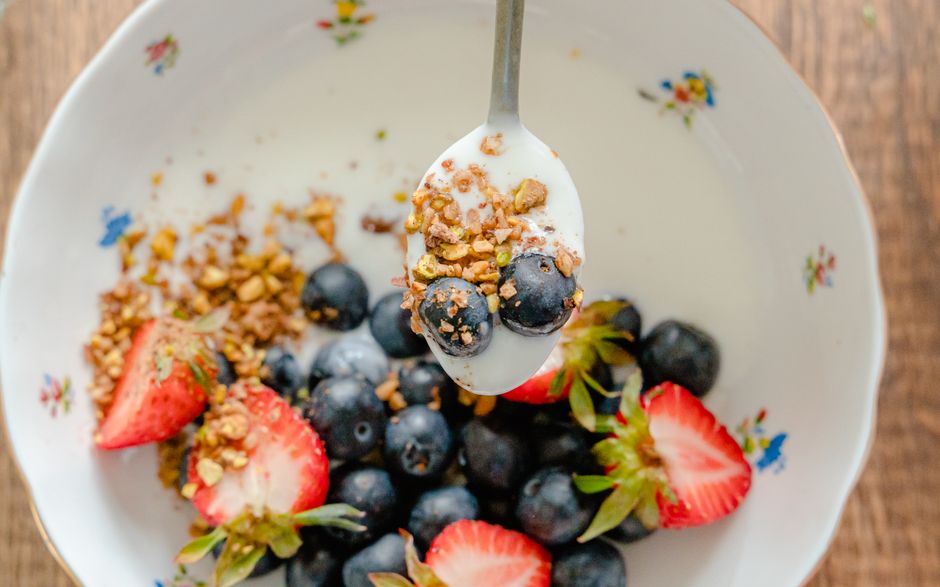
- Protein for Tissue Repair: Soft proteins like scrambled eggs, cottage cheese, tofu, and Greek yogurt provide the essential building blocks your body needs to rebuild inflamed tissues.
- Vitamin C and Zinc: These nutrients are vital for collagen synthesis and immune function. Smoothies made with bananas, spinach, and protein powder (without small berry seeds) are excellent choices.
According to a guide on recovery food by Colgate®, sticking to non-irritating, soft textures protects the tooth from unnecessary mechanical stress. For more ideas on maintaining excellent oral health through your meals, explore our resources on the Best Diet for Healthy Teeth and Gums and general Oral Health Nutrition.
Foods to Avoid After a Root Canal and Why
Choosing the wrong foods too soon can lead to painful complications, damage your temporary restoration, or even cause the treatment to fail.
To protect your smile, keep these items off your plate until your tooth is fully restored:
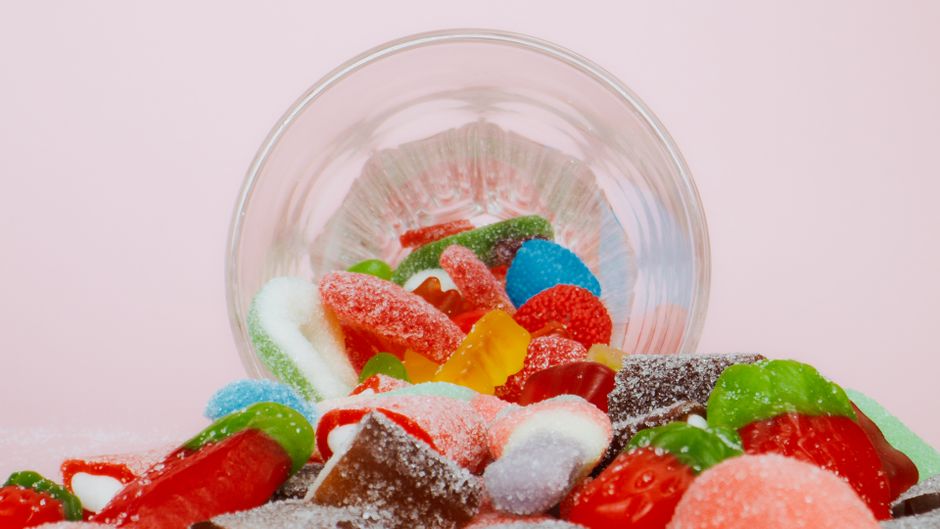
- Sticky and Chewy Foods: Gummy candies, caramel, taffy, and chewing gum can easily grab hold of a temporary filling and pull it loose.
- Hard and Crunchy Foods: Nuts, seeds, corn chips, and hard candies put immense localized pressure on the treated tooth. Because the tooth is temporarily brittle, biting down on these can cause a vertical root fracture, which often requires a complete tooth extraction.
- Extreme Temperatures: Very hot soups or ice-cold drinks can trigger intense pain in the surrounding gums and bone.
- Spicy Foods: Dishes containing capsaicin can irritate the sensitive, healing gum tissues around the treatment site.
- Alcohol: You should strictly avoid alcohol for at least 48 to 72 hours, as it can interact negatively with recovery medications and dry out your mouth, delaying tissue repair.
If a temporary filling is dislodged or cracked by hard or sticky foods, it can lead to coronal leakage. This occurs when saliva and oral bacteria seep back into the freshly cleaned root canals, raising the risk of a secondary infection. For a detailed list of habits to avoid during your recovery, read our guide on What Not to Do After a Root Canal.
Transitioning Your Diet: Day 3 and Beyond
By the third day, most patients notice a significant reduction in localized swelling and tenderness. As your discomfort subsides, you can begin a gradual reintroduction of semi-soft foods.
Excellent transitional choices include:
- Soft pasta or macaroni and cheese
- Cooked rice or quinoa
- Well-cooked, soft-steamed vegetables (like carrots or zucchini)
- Flaky fish, such as salmon
Even as you add more variety to your meals, practicing unilateral mastication—chewing exclusively on the opposite side of your mouth—remains essential. Keeping food away from the treated tooth prevents unnecessary wear on the temporary restoration while the deeper bone and gum tissues continue healing.
To learn more about what to expect during this phase of your recovery, check out our practical guide on Recovery After Root Canal. You can also find helpful post-treatment dietary perspectives in this clinical article on Can You Eat After A Root Canal? | Whiteman Dental.
Hydration and Additional Recovery Tips to Protect Your Tooth
Staying well-hydrated is one of the simplest yet most overlooked aspects of dental recovery. Water supports saliva production, which naturally cleanses your mouth and neutralizes harmful bacteria.
To keep your recovery on track, keep these additional tips in mind:
- Skip the Straws: Drinking through a straw creates negative pressure (suction) inside your mouth. This suction can disturb the temporary filling or irritate the healing tissues around the treated tooth. Always drink directly from a cup.
- Warm Saltwater Rinses: Gently rinsing your mouth with warm salt water two to three times a day helps soothe inflamed gums and keeps the area clean without abrasive scrubbing.
- Gentle Oral Hygiene: Continue to brush and floss daily to prevent bacterial buildup. However, use a soft-bristled toothbrush and be incredibly gentle around the treated tooth. When flossing, slide the floss out horizontally rather than pulling it upward, which could catch and dislodge the temporary filling.
- Avoid Tobacco: Smoking or vaping significantly restricts blood flow to your gums, which slows down tissue repair and increases the risk of post-operative complications.
- Elevate Your Head: Keeping your head elevated with an extra pillow when resting or sleeping can reduce throbbing pressure in your jaw.
If you experience mild post-procedure soreness, over-the-counter pain relievers can help. For more helpful strategies, read our advice on Tooth Pain Relief.
Frequently Asked Questions About Post-Root Canal Care
What to eat after root canal therapy if I have temperature sensitivity?
It is very common to experience mild hyperalgesia—an increased sensitivity to temperature and pressure—in the surrounding tissues after a root canal. If you are sensitive, stick to lukewarm or room-temperature foods. Opt for oatmeal, lukewarm broths, or room-temperature applesauce. Avoid hot coffee, steaming tea, and ice cream until the sensitivity resolves.
How long do I need to watch what to eat after root canal treatment before getting a crown?
You must continue to be cautious with your food choices until your permanent crown is fully placed and cemented. A temporary restoration is only designed to protect the tooth for a few weeks and cannot withstand the heavy forces of normal chewing. Because the underlying tooth structure is brittle, delaying your crown appointment increases the risk of a painful fracture. To understand the timeline and steps involved in completing your treatment, read about the Root Canal Procedure Explained and learn How Long Do Root Canals Take.
What should I do if my temporary filling falls out while eating?
If your temporary filling chips significantly or falls out entirely, contact our office immediately. Without this protective seal, saliva and bacteria can enter the tooth, causing coronal leakage and risking a painful reinfection. While waiting to see us, gently rinse your mouth with warm salt water to keep the area clean, and avoid chewing on that side of your mouth entirely.
Conclusion
Recovering from a root canal is a highly predictable and manageable process when you take care of your smile with a thoughtful, soft-food diet. By protecting your temporary filling and keeping pressure off the healing tooth, you ensure the long-term success of your treatment.
At North Orange Family Dentistry, we are dedicated to providing comfortable, five-star family dental care to our neighbors in Delaware, Ohio, Lewis Center, Powell, and Orange. Led by Dr. Kyle Bogan—a Fellow of the International College of Dentists (representing the top 3% of dentists worldwide)—our modern practice utilizes advanced technology, including therapeutic laser treatments for TMJ pain, to keep your visits comfortable and stress-free.
If you are experiencing a sudden toothache, we offer same-day emergency dental appointments most of the time to get you the fast relief you deserve. For our Delaware County patients without dental insurance, we offer an in-house Dental Wellness Plan. This plan helps individuals and families access their yearly preventive care and receive discounts on other services for a simple, affordable price.
Whether you need to schedule a restorative consultation or have questions about a recent procedure, we are here to support your health. Visit our page on Advanced Dentistry Root Canal to learn more or schedule your appointment with our friendly team today!
What to Eat After a Root Canal (Quick Answer)
Knowing what to eat after root canal treatment is one of the most common questions patients have before leaving the dental chair — and for good reason. What you eat in the days following your procedure can directly affect your comfort, your healing time, and whether your temporary filling stays intact.
Here's a quick overview of safe foods for the first 48 hours:
- Yogurt
- Scrambled eggs
- Mashed potatoes
- Applesauce
- Smoothies (no seeds)
- Lukewarm soup
- Soft pasta
- Cottage cheese
- Oatmeal
- Pudding or soft gelatin
Foods to avoid right away:
- Hard candies and crunchy snacks (chips, nuts)
- Sticky foods (caramel, gum, taffy)
- Very hot or very cold foods and drinks
- Spicy or acidic foods
- Alcohol
Most patients feel well enough to return to normal activities within 24 hours. But the treated tooth stays vulnerable until a permanent crown is placed — which means your diet matters beyond just the first day or two.
The good news? Recovery is usually straightforward. A little planning ahead goes a long way toward a smooth, comfortable healing process.
Understanding the Root Canal and Why Diet Matters
A root canal is a highly successful restorative procedure designed to save a severely damaged or infected tooth. During a Dental Root Canal, we remove the infected or inflamed dental pulp from deep inside the tooth's canal system. As explained by the American Association of Endodontists, this pulp contains the nerves and blood vessels that nourished the tooth during its development. Once the tooth is mature, however, it can survive perfectly fine without this tissue.
After we clean and disinfect the inner chambers, we seal the space with a biocompatible material and place a temporary filling to protect the opening. Because the tooth no longer has an internal blood supply, it naturally becomes more brittle and vulnerable to fractures.
Additionally, the periodontal ligament—the microscopic tissue fibers that anchor your tooth to the jawbone—often becomes temporarily inflamed from the dental work. This inflammation is a normal healing response, but it can make the area feel bruised and tender when you bite down. Many patients wonder, Are Root Canals Bad for You? The truth is, they are an incredibly safe, routine way to eliminate dental pain and preserve your natural smile.
In the immediate hours following your appointment, local anesthesia will keep your mouth numb. It is vital to avoid eating anything until this numbness completely wears off—usually within two to four hours. Chewing while your mouth is numb poses a significant risk of accidentally biting your tongue, lip, or inner cheek, which can cause painful soft-tissue injuries.
What to Eat After Root Canal: The First 48 Hours
The first 48 hours after your procedure represent the acute inflammatory phase of healing. During this window, your primary goal is to minimize irritation to the treated tooth and protect your temporary filling. Adopting a strict soft-food diet is the best way to ensure a comfortable recovery.
To support your body's natural recovery processes, we recommend focusing on nutrient-dense options. Optimal healing requires a steady intake of specific vitamins and minerals:
- Protein for Tissue Repair: Soft proteins like scrambled eggs, cottage cheese, tofu, and Greek yogurt provide the essential building blocks your body needs to rebuild inflamed tissues.
- Vitamin C and Zinc: These nutrients are vital for collagen synthesis and immune function. Smoothies made with bananas, spinach, and protein powder (without small berry seeds) are excellent choices.
According to a guide on recovery food by Colgate®, sticking to non-irritating, soft textures protects the tooth from unnecessary mechanical stress. For more ideas on maintaining excellent oral health through your meals, explore our resources on the Best Diet for Healthy Teeth and Gums and general Oral Health Nutrition.
Foods to Avoid After a Root Canal and Why
Choosing the wrong foods too soon can lead to painful complications, damage your temporary restoration, or even cause the treatment to fail.
To protect your smile, keep these items off your plate until your tooth is fully restored:
- Sticky and Chewy Foods: Gummy candies, caramel, taffy, and chewing gum can easily grab hold of a temporary filling and pull it loose.
- Hard and Crunchy Foods: Nuts, seeds, corn chips, and hard candies put immense localized pressure on the treated tooth. Because the tooth is temporarily brittle, biting down on these can cause a vertical root fracture, which often requires a complete tooth extraction.
- Extreme Temperatures: Very hot soups or ice-cold drinks can trigger intense pain in the surrounding gums and bone.
- Spicy Foods: Dishes containing capsaicin can irritate the sensitive, healing gum tissues around the treatment site.
- Alcohol: You should strictly avoid alcohol for at least 48 to 72 hours, as it can interact negatively with recovery medications and dry out your mouth, delaying tissue repair.
If a temporary filling is dislodged or cracked by hard or sticky foods, it can lead to coronal leakage. This occurs when saliva and oral bacteria seep back into the freshly cleaned root canals, raising the risk of a secondary infection. For a detailed list of habits to avoid during your recovery, read our guide on What Not to Do After a Root Canal.
Transitioning Your Diet: Day 3 and Beyond
By the third day, most patients notice a significant reduction in localized swelling and tenderness. As your discomfort subsides, you can begin a gradual reintroduction of semi-soft foods.
Excellent transitional choices include:
- Soft pasta or macaroni and cheese
- Cooked rice or quinoa
- Well-cooked, soft-steamed vegetables (like carrots or zucchini)
- Flaky fish, such as salmon
Even as you add more variety to your meals, practicing unilateral mastication—chewing exclusively on the opposite side of your mouth—remains essential. Keeping food away from the treated tooth prevents unnecessary wear on the temporary restoration while the deeper bone and gum tissues continue healing.
To learn more about what to expect during this phase of your recovery, check out our practical guide on Recovery After Root Canal. You can also find helpful post-treatment dietary perspectives in this clinical article on Can You Eat After A Root Canal? | Whiteman Dental.
Hydration and Additional Recovery Tips to Protect Your Tooth
Staying well-hydrated is one of the simplest yet most overlooked aspects of dental recovery. Water supports saliva production, which naturally cleanses your mouth and neutralizes harmful bacteria.
To keep your recovery on track, keep these additional tips in mind:
- Skip the Straws: Drinking through a straw creates negative pressure (suction) inside your mouth. This suction can disturb the temporary filling or irritate the healing tissues around the treated tooth. Always drink directly from a cup.
- Warm Saltwater Rinses: Gently rinsing your mouth with warm salt water two to three times a day helps soothe inflamed gums and keeps the area clean without abrasive scrubbing.
- Gentle Oral Hygiene: Continue to brush and floss daily to prevent bacterial buildup. However, use a soft-bristled toothbrush and be incredibly gentle around the treated tooth. When flossing, slide the floss out horizontally rather than pulling it upward, which could catch and dislodge the temporary filling.
- Avoid Tobacco: Smoking or vaping significantly restricts blood flow to your gums, which slows down tissue repair and increases the risk of post-operative complications.
- Elevate Your Head: Keeping your head elevated with an extra pillow when resting or sleeping can reduce throbbing pressure in your jaw.
If you experience mild post-procedure soreness, over-the-counter pain relievers can help. For more helpful strategies, read our advice on Tooth Pain Relief.
Frequently Asked Questions About Post-Root Canal Care
What to eat after root canal therapy if I have temperature sensitivity?
It is very common to experience mild hyperalgesia—an increased sensitivity to temperature and pressure—in the surrounding tissues after a root canal. If you are sensitive, stick to lukewarm or room-temperature foods. Opt for oatmeal, lukewarm broths, or room-temperature applesauce. Avoid hot coffee, steaming tea, and ice cream until the sensitivity resolves.
How long do I need to watch what to eat after root canal treatment before getting a crown?
You must continue to be cautious with your food choices until your permanent crown is fully placed and cemented. A temporary restoration is only designed to protect the tooth for a few weeks and cannot withstand the heavy forces of normal chewing. Because the underlying tooth structure is brittle, delaying your crown appointment increases the risk of a painful fracture. To understand the timeline and steps involved in completing your treatment, read about the Root Canal Procedure Explained and learn How Long Do Root Canals Take.
What should I do if my temporary filling falls out while eating?
If your temporary filling chips significantly or falls out entirely, contact our office immediately. Without this protective seal, saliva and bacteria can enter the tooth, causing coronal leakage and risking a painful reinfection. While waiting to see us, gently rinse your mouth with warm salt water to keep the area clean, and avoid chewing on that side of your mouth entirely.
Conclusion
Recovering from a root canal is a highly predictable and manageable process when you take care of your smile with a thoughtful, soft-food diet. By protecting your temporary filling and keeping pressure off the healing tooth, you ensure the long-term success of your treatment.
At North Orange Family Dentistry, we are dedicated to providing comfortable, five-star family dental care to our neighbors in Delaware, Ohio, Lewis Center, Powell, and Orange. Led by Dr. Kyle Bogan—a Fellow of the International College of Dentists (representing the top 3% of dentists worldwide)—our modern practice utilizes advanced technology, including therapeutic laser treatments for TMJ pain, to keep your visits comfortable and stress-free.
If you are experiencing a sudden toothache, we offer same-day emergency dental appointments most of the time to get you the fast relief you deserve. For our Delaware County patients without dental insurance, we offer an in-house Dental Wellness Plan. This plan helps individuals and families access their yearly preventive care and receive discounts on other services for a simple, affordable price.
Whether you need to schedule a restorative consultation or have questions about a recent procedure, we are here to support your health. Visit our page on Advanced Dentistry Root Canal to learn more or schedule your appointment with our friendly team today!
Contact Us
Have any questions? Want to learn more?

