
Crown and Glory: Everything You Need to Know About Porcelain Crowns
Discover porcelain dental crowns: benefits, procedure, costs & care. Get a natural smile with expert tips from North Orange Family Dentistry.


Understanding Porcelain Dental Crowns
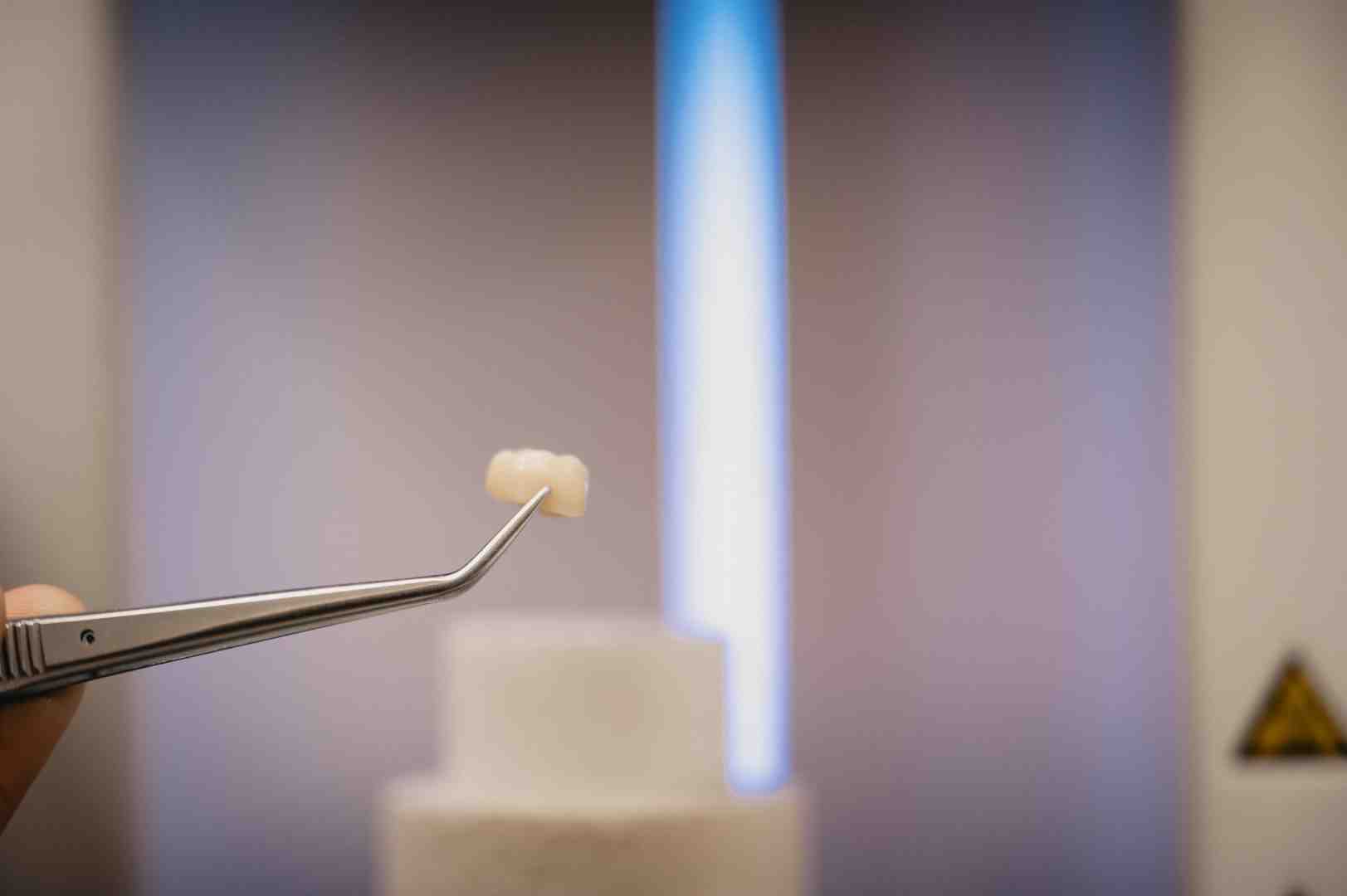
Porcelain dental crowns are custom-made ceramic caps that fit over a damaged or weakened tooth to restore its shape, strength, and natural appearance — without any metal.
Here's a quick summary of what you need to know:
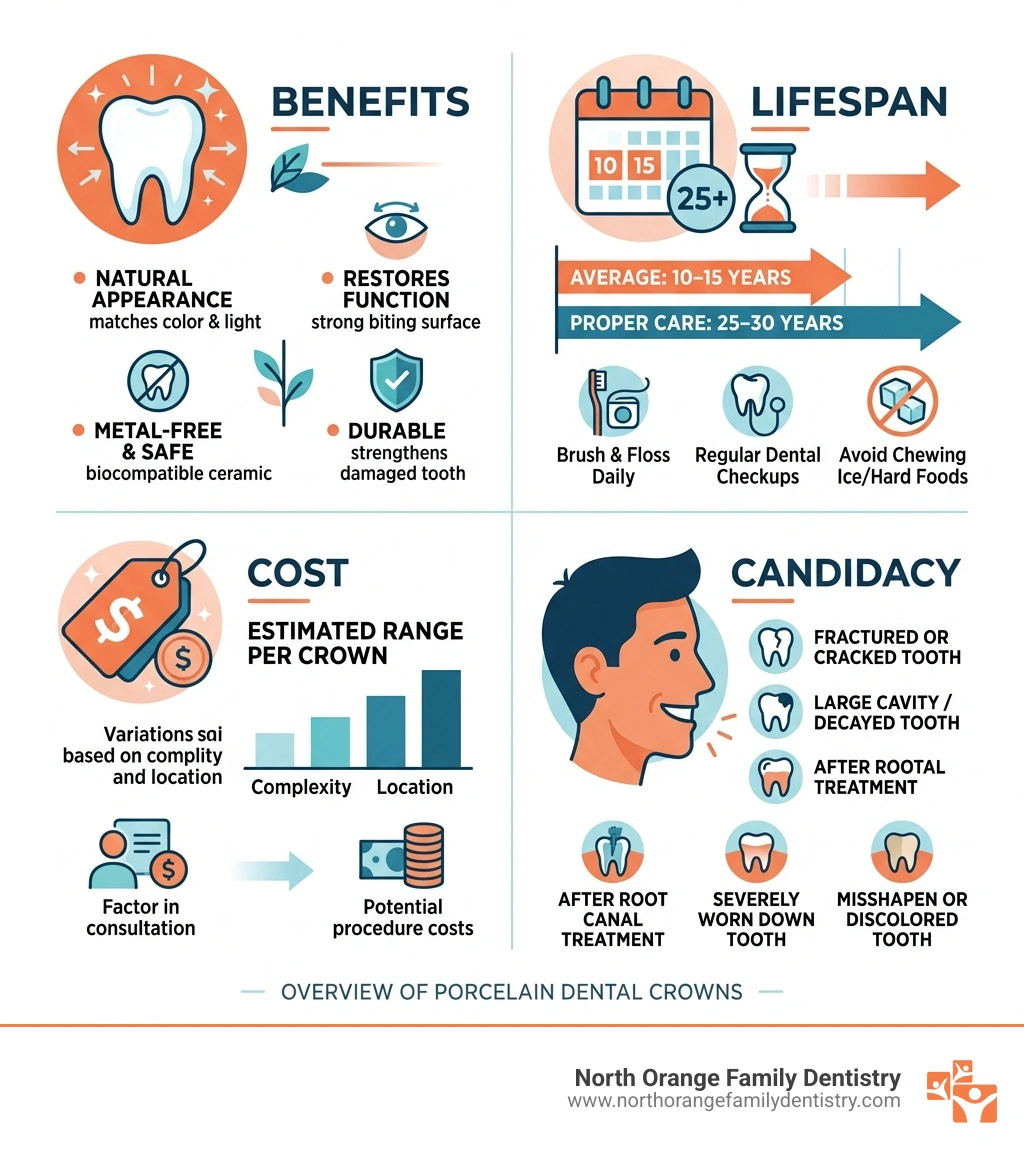
- What they are: Tooth-shaped caps made entirely from dental ceramic
- Best for: Front teeth and any visible tooth where appearance matters
- Key benefit: They match the color, texture, and light reflection of your natural teeth
- Lifespan: 10–15 years on average, with proper care extending to 25–30 years
- Metal-free: Safe for people with metal allergies or sensitivities
- Procedure: Usually two visits — tooth preparation, then final bonding
If you've ever dealt with a cracked tooth, a large cavity, or a tooth that just doesn't look right, you already know how much it affects everyday life. Eating, talking, smiling — all of it can feel a little harder when one tooth is letting you down.
Porcelain crowns are one of the most trusted solutions in modern dentistry for exactly this problem. They protect what's left of a natural tooth while blending in so seamlessly that most people can't tell the difference.
Single crown placement is the most common dental restoration performed in the United States — and porcelain is one of the most popular choices for good reason.
This guide walks you through everything: the benefits, the procedure, how long they last, and what they cost — so you can walk into your appointment at North Orange Family Dentistry feeling informed and confident.
Porcelain dental crowns word roundup:
When we talk about the Crown of Tooth, we are referring to the visible part of your tooth that sits above the gum line. A dental crown—often called a "cap"—is an artificial restoration that completely covers that visible portion.
Porcelain dental crowns are crafted from high-quality dental ceramic. This material is specifically engineered to mimic the properties of natural tooth enamel. One of the greatest advantages of using pure porcelain is its biocompatibility. This means the material is friendly to your gum tissue and the rest of your body, with no risk of the allergic reactions sometimes associated with metal alloys.
As of April 2026, porcelain remains the gold standard for patients seeking a balance between health and aesthetics. According to the Oral Health Foundation, What Are Dental Crowns? they are fixed restorations that cannot be removed like dentures; they are bonded directly to your tooth to become a permanent part of your smile.
Benefits and Drawbacks of All-Ceramic Restorations
Choosing the right material for your restoration is a big decision. At North Orange Family Dentistry, we want you to understand the Advantages and Disadvantages of Dental Crowns before we begin.
Why Choose Porcelain for Visible Teeth?
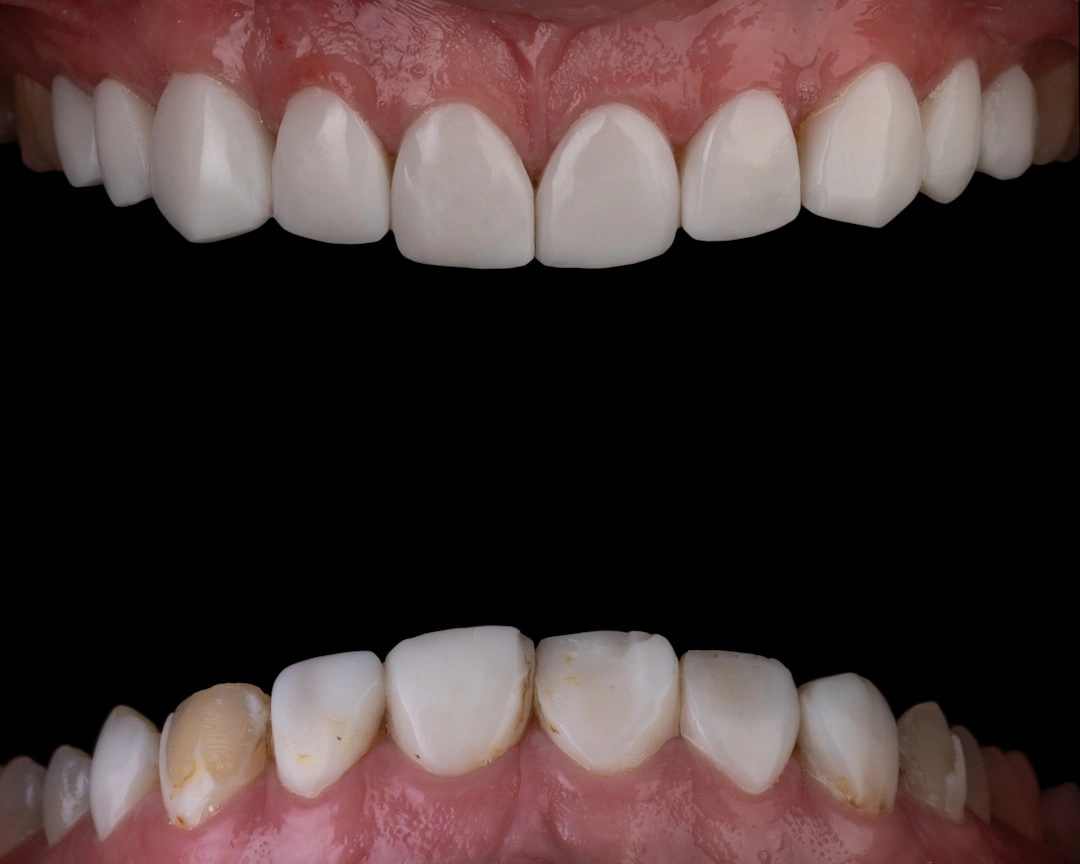
For teeth that show when you smile—your "social six" or front teeth—porcelain is almost always the preferred choice.
- Natural Hue and Translucency: Unlike metal-based crowns, light passes through porcelain much like it does through natural enamel. This prevents that "flat" or "fake" look.
- No Dark Lines: You may have seen people with a dark grey line at their gum line; this is usually the metal base of a Porcelain-Fused-to-Metal (PFM) crown showing through. Pure porcelain dental crowns eliminate this issue entirely.
- Stain Resistance: Dental ceramic is non-porous, making it highly resistant to stains from coffee, tea, or red wine.
Potential Risks and Considerations
While porcelain is beautiful, it is important to be realistic about its limitations:
- Chipping Risk: Pure porcelain can be more brittle than metal or zirconia. If you have a habit of chewing on ice or pens, you'll need to be extra careful.
- Enamel Reduction: To ensure the crown looks natural and isn't too bulky, we must remove a small amount of the original tooth enamel.
- Sensitivity: Some patients experience temporary hot or cold sensitivity immediately after the procedure.
| Feature | Porcelain (All-Ceramic) | Gold Alloy | Zirconia |
|---|---|---|---|
| Aesthetics | Best / Most Natural | Poor (Metallic) | Good / High Opacity |
| Durability | High | Highest | Very High |
| Biocompatibility | Excellent | Excellent | Excellent |
| Best For | Front Teeth / Smile Zone | Molars (Back Teeth) | High-Pressure Molars |
The Step-by-Step Procedure for a New Smile
Getting a crown at our Delaware, Ohio office is a streamlined process designed for your comfort. Whether you are seeing Dr. Bogan, Dr. Ellinger, Dr. Hall, or Dr. Brumley, we prioritize a "five-star experience."

Preparing Your Tooth for Porcelain Dental Crowns
The first step is ensuring the tooth is healthy. We remove any decay and old filling material. Once the tooth is clean, we carefully "shave" or reshape the enamel to create a sturdy base for the Dental Crown.
We use digital impressions (no more messy putty!) to create a 3D model of your mouth. This ensures a precision fit that aligns perfectly with your bite. While the dental lab spends about two weeks crafting your permanent porcelain masterpiece, we provide a high-quality temporary crown to protect your tooth and maintain your smile.
Final Placement and Bonding
At your second visit, we remove the temporary and try on your permanent porcelain crown. We check the "contact points" (how it feels against neighboring teeth) and the "occlusion" (how your teeth meet when you bite).
Once we are both happy with the look and feel, we use a permanent dental cement to bond it in place. For patients with gum sensitivity, we may even use our advanced laser technology to soothe the area and promote faster healing. If you ever experience a crown emergency, we offer same-day emergency dental appointments most of the time!
Longevity, Cost, and Maintenance
A porcelain crown is an investment in your health. Understanding how to protect that investment is key to making it last.
How Long Do Porcelain Dental Crowns Last?
Research shows that porcelain dental crowns typically last between 10 and 15 years. However, with "five-star" home care, it isn't uncommon for them to last 25 to 30 years.
Factors that influence longevity include:
- Bruxism (Teeth Grinding): If you clench your teeth at night, the pressure can fracture porcelain. We often recommend a custom night guard to protect your restoration.
- Oral Hygiene: While the crown can't decay, the natural tooth underneath it can. Brushing and flossing are essential to prevent "recurrent decay" at the margin where the crown meets the gum.
- Diet: Avoid using your teeth as tools (opening packages) or biting into extremely hard candies.
Learn more about Everything You Need to Know About Dental Crowns Protect and Enhance Your Teeth.
Understanding the Investment
The Cost of Porcelain Ceramic Crown can vary based on the complexity of the case. While many insurance plans cover a portion of restorative crowns, we know that out-of-pocket costs are a concern for many families in the Lewis Center and Delaware area.
For our patients without insurance, we offer the North Orange Family Dentistry Dental Wellness Plan. This is not insurance; it is an in-house membership that allows individuals and families to receive their yearly preventive care (cleanings, exams, X-rays) and significant discounts on restorative work like porcelain crowns for a simple, discounted price. It’s our way of making high-end dentistry accessible to everyone.
Frequently Asked Questions about Porcelain Crowns
Are porcelain crowns suitable for people with metal allergies?
Yes! One of the primary reasons patients choose all-porcelain options is because they are 100% metal-free. According to MedlinePlus Medical Encyclopedia, ceramic materials are hypoallergenic and biocompatible, making them the safest choice for patients with sensitivities to nickel, gold, or other alloys.
Can porcelain crowns be whitened if they become stained?
No. Porcelain is non-porous and does not respond to chemical whitening gels. If you are considering teeth whitening, we strongly recommend whitening your natural teeth before we manufacture your crown. This allows us to color-match the porcelain to your new, brighter shade.
What should I expect during recovery and post-op sensitivity?
It is normal to feel some gum soreness or mild sensitivity to temperature for a few days. Over-the-counter pain relief like ibuprofen usually manages this well. If your bite feels "high" or uneven after the numbness wears off, give us a call! A simple 5-minute adjustment can make a world of difference.
Conclusion
At North Orange Family Dentistry, we believe every patient deserves a smile that is both functional and beautiful. Led by Dr. Kyle Bogan—who is in the top 3% of dentists worldwide as an FICD fellow—our team is dedicated to providing the Delaware, Ohio community with advanced, comfortable care.
From our cutting-edge laser treatments for TMJ and gum health to our commitment to same-day emergency care, we are here to ensure your "Crown and Glory" lasts a lifetime. If you're ready to restore your smile, check out our Dental Crowns Near Me Guide and schedule your consultation today. We look forward to welcoming you to our family!
Understanding Porcelain Dental Crowns
Porcelain dental crowns are custom-made ceramic caps that fit over a damaged or weakened tooth to restore its shape, strength, and natural appearance — without any metal.
Here's a quick summary of what you need to know:
- What they are: Tooth-shaped caps made entirely from dental ceramic
- Best for: Front teeth and any visible tooth where appearance matters
- Key benefit: They match the color, texture, and light reflection of your natural teeth
- Lifespan: 10–15 years on average, with proper care extending to 25–30 years
- Metal-free: Safe for people with metal allergies or sensitivities
- Procedure: Usually two visits — tooth preparation, then final bonding
If you've ever dealt with a cracked tooth, a large cavity, or a tooth that just doesn't look right, you already know how much it affects everyday life. Eating, talking, smiling — all of it can feel a little harder when one tooth is letting you down.
Porcelain crowns are one of the most trusted solutions in modern dentistry for exactly this problem. They protect what's left of a natural tooth while blending in so seamlessly that most people can't tell the difference.
Single crown placement is the most common dental restoration performed in the United States — and porcelain is one of the most popular choices for good reason.
This guide walks you through everything: the benefits, the procedure, how long they last, and what they cost — so you can walk into your appointment at North Orange Family Dentistry feeling informed and confident.
Porcelain dental crowns word roundup:
When we talk about the Crown of Tooth, we are referring to the visible part of your tooth that sits above the gum line. A dental crown—often called a "cap"—is an artificial restoration that completely covers that visible portion.
Porcelain dental crowns are crafted from high-quality dental ceramic. This material is specifically engineered to mimic the properties of natural tooth enamel. One of the greatest advantages of using pure porcelain is its biocompatibility. This means the material is friendly to your gum tissue and the rest of your body, with no risk of the allergic reactions sometimes associated with metal alloys.
As of April 2026, porcelain remains the gold standard for patients seeking a balance between health and aesthetics. According to the Oral Health Foundation, What Are Dental Crowns? they are fixed restorations that cannot be removed like dentures; they are bonded directly to your tooth to become a permanent part of your smile.
Benefits and Drawbacks of All-Ceramic Restorations
Choosing the right material for your restoration is a big decision. At North Orange Family Dentistry, we want you to understand the Advantages and Disadvantages of Dental Crowns before we begin.
Why Choose Porcelain for Visible Teeth?
For teeth that show when you smile—your "social six" or front teeth—porcelain is almost always the preferred choice.
- Natural Hue and Translucency: Unlike metal-based crowns, light passes through porcelain much like it does through natural enamel. This prevents that "flat" or "fake" look.
- No Dark Lines: You may have seen people with a dark grey line at their gum line; this is usually the metal base of a Porcelain-Fused-to-Metal (PFM) crown showing through. Pure porcelain dental crowns eliminate this issue entirely.
- Stain Resistance: Dental ceramic is non-porous, making it highly resistant to stains from coffee, tea, or red wine.
Potential Risks and Considerations
While porcelain is beautiful, it is important to be realistic about its limitations:
- Chipping Risk: Pure porcelain can be more brittle than metal or zirconia. If you have a habit of chewing on ice or pens, you'll need to be extra careful.
- Enamel Reduction: To ensure the crown looks natural and isn't too bulky, we must remove a small amount of the original tooth enamel.
- Sensitivity: Some patients experience temporary hot or cold sensitivity immediately after the procedure.
| Feature | Porcelain (All-Ceramic) | Gold Alloy | Zirconia |
|---|---|---|---|
| Aesthetics | Best / Most Natural | Poor (Metallic) | Good / High Opacity |
| Durability | High | Highest | Very High |
| Biocompatibility | Excellent | Excellent | Excellent |
| Best For | Front Teeth / Smile Zone | Molars (Back Teeth) | High-Pressure Molars |
The Step-by-Step Procedure for a New Smile
Getting a crown at our Delaware, Ohio office is a streamlined process designed for your comfort. Whether you are seeing Dr. Bogan, Dr. Ellinger, Dr. Hall, or Dr. Brumley, we prioritize a "five-star experience."
Preparing Your Tooth for Porcelain Dental Crowns
The first step is ensuring the tooth is healthy. We remove any decay and old filling material. Once the tooth is clean, we carefully "shave" or reshape the enamel to create a sturdy base for the Dental Crown.
We use digital impressions (no more messy putty!) to create a 3D model of your mouth. This ensures a precision fit that aligns perfectly with your bite. While the dental lab spends about two weeks crafting your permanent porcelain masterpiece, we provide a high-quality temporary crown to protect your tooth and maintain your smile.
Final Placement and Bonding
At your second visit, we remove the temporary and try on your permanent porcelain crown. We check the "contact points" (how it feels against neighboring teeth) and the "occlusion" (how your teeth meet when you bite).
Once we are both happy with the look and feel, we use a permanent dental cement to bond it in place. For patients with gum sensitivity, we may even use our advanced laser technology to soothe the area and promote faster healing. If you ever experience a crown emergency, we offer same-day emergency dental appointments most of the time!
Longevity, Cost, and Maintenance
A porcelain crown is an investment in your health. Understanding how to protect that investment is key to making it last.
How Long Do Porcelain Dental Crowns Last?
Research shows that porcelain dental crowns typically last between 10 and 15 years. However, with "five-star" home care, it isn't uncommon for them to last 25 to 30 years.
Factors that influence longevity include:
- Bruxism (Teeth Grinding): If you clench your teeth at night, the pressure can fracture porcelain. We often recommend a custom night guard to protect your restoration.
- Oral Hygiene: While the crown can't decay, the natural tooth underneath it can. Brushing and flossing are essential to prevent "recurrent decay" at the margin where the crown meets the gum.
- Diet: Avoid using your teeth as tools (opening packages) or biting into extremely hard candies.
Learn more about Everything You Need to Know About Dental Crowns Protect and Enhance Your Teeth.
Understanding the Investment
The Cost of Porcelain Ceramic Crown can vary based on the complexity of the case. While many insurance plans cover a portion of restorative crowns, we know that out-of-pocket costs are a concern for many families in the Lewis Center and Delaware area.
For our patients without insurance, we offer the North Orange Family Dentistry Dental Wellness Plan. This is not insurance; it is an in-house membership that allows individuals and families to receive their yearly preventive care (cleanings, exams, X-rays) and significant discounts on restorative work like porcelain crowns for a simple, discounted price. It’s our way of making high-end dentistry accessible to everyone.
Frequently Asked Questions about Porcelain Crowns
Are porcelain crowns suitable for people with metal allergies?
Yes! One of the primary reasons patients choose all-porcelain options is because they are 100% metal-free. According to MedlinePlus Medical Encyclopedia, ceramic materials are hypoallergenic and biocompatible, making them the safest choice for patients with sensitivities to nickel, gold, or other alloys.
Can porcelain crowns be whitened if they become stained?
No. Porcelain is non-porous and does not respond to chemical whitening gels. If you are considering teeth whitening, we strongly recommend whitening your natural teeth before we manufacture your crown. This allows us to color-match the porcelain to your new, brighter shade.
What should I expect during recovery and post-op sensitivity?
It is normal to feel some gum soreness or mild sensitivity to temperature for a few days. Over-the-counter pain relief like ibuprofen usually manages this well. If your bite feels "high" or uneven after the numbness wears off, give us a call! A simple 5-minute adjustment can make a world of difference.
Conclusion
At North Orange Family Dentistry, we believe every patient deserves a smile that is both functional and beautiful. Led by Dr. Kyle Bogan—who is in the top 3% of dentists worldwide as an FICD fellow—our team is dedicated to providing the Delaware, Ohio community with advanced, comfortable care.
From our cutting-edge laser treatments for TMJ and gum health to our commitment to same-day emergency care, we are here to ensure your "Crown and Glory" lasts a lifetime. If you're ready to restore your smile, check out our Dental Crowns Near Me Guide and schedule your consultation today. We look forward to welcoming you to our family!
Contact Us
Have any questions? Want to learn more?

