
Front Teeth Crowns vs Veneers: The Ultimate Smile Makeover
Restore your smile with a front tooth dental crown that blends natural aesthetics and lasting function.



Why a Front Tooth Dental Crown Can Change More Than Just Your Smile
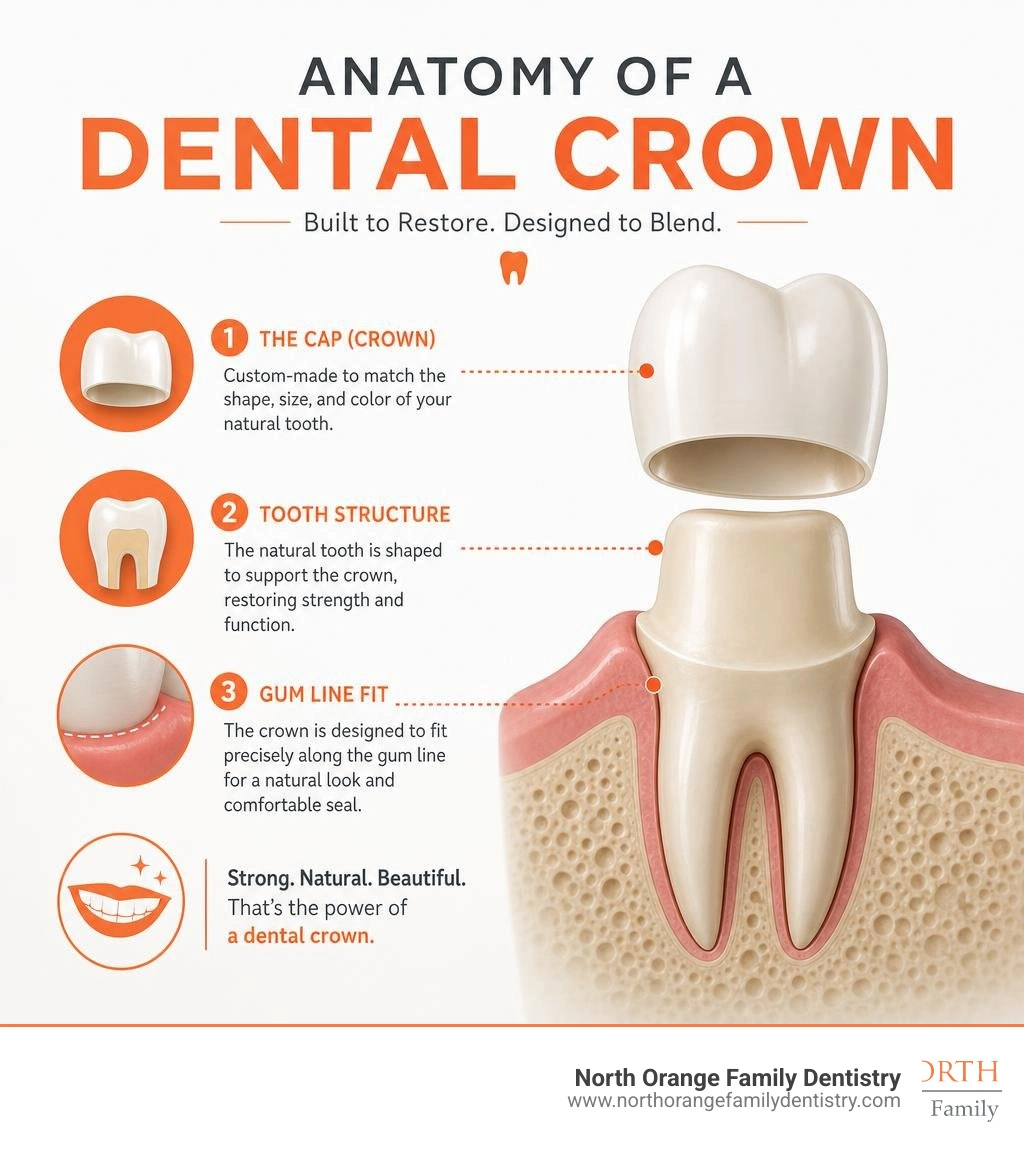
A front tooth dental crown is a custom-made cap that fits over a damaged, decayed, or discolored front tooth — restoring its shape, strength, and appearance completely.
Here's what you need to know at a glance:
- What it is: A tooth-shaped cap that covers the entire visible portion of a front tooth above the gum line
- When you need one: Significant decay, a chip or fracture, severe discoloration, or after a root canal
- Best materials for front teeth: All-ceramic, zirconia, or E-max — chosen for their natural look and translucency
- How long it lasts: 10 to 15 years or longer with proper care
- Procedure: Typically two appointments — tooth preparation, then final placement
- Alternatives: Veneers or bonding may work for minor cosmetic issues; crowns are best for structural damage
Your front teeth do a lot. They shape your smile, help you bite into food, and even influence how clearly you pronounce certain sounds. When one gets damaged, it's hard to ignore — both physically and emotionally.
The good news? Modern dental crowns for front teeth are remarkably lifelike. As one patient put it after completing crown treatment: "All I have to do is open my mouth and my teeth are smiling!"
Whether you chipped a tooth in an accident, have a crack that's been bothering you, or a front tooth that's simply stopped looking like it belongs in your smile — a crown may be exactly what restores your confidence.
This guide walks you through everything: what front tooth crowns are, when you need one, what the procedure looks like, and how to care for your crown long-term.
What is a Front Tooth Dental Crown?
Unlike crowns placed on your back molars, which are built almost purely to withstand heavy, grinding chewing forces, a front tooth dental crown has a double duty. It must be strong enough to handle shearing bite forces (like biting into an apple), but it also must look completely indistinguishable from your surrounding natural teeth.
Because your front teeth live directly in the "smile zone," we pay extraordinary attention to the artistic details. When crafting a front crown, we focus heavily on:
- Translucency: Natural tooth enamel isn't solid white; light actually penetrates it and reflects from within. Modern front crowns mimic this natural depth.
- Color Matching: We precisely match the shade of your crown to your adjacent teeth, accounting for the natural gradients of color from the gumline to the biting edge.
- Gumline Integration: A poorly fitting crown can irritate the gums or leave a dark, unsightly line. A high-quality front crown sits flush and healthy against your gum tissue.
To dive deeper into how crowns protect your oral health, read our article on Understanding Dental Crown Services: What You Need to Know.
Signs You Might Need a Front Tooth Dental Crown
How do you know if your front tooth is ready for a crown rather than a simple patch-up? Here are the most common warning signs:
- Visible Cracks or Fractures: If a crack runs deep into the tooth structure, a crown is needed to hold the tooth together and prevent a complete split.
- Severe Discoloration: Internal stains from old trauma, root canals, or childhood tetracycline exposure often cannot be corrected with teeth whitening. A crown masks this beautifully.
- Pain When Biting: Sharp pain when you bite down can indicate a cracked tooth or structural compromise.
- A Large, Failing Filling: If more than half of your front tooth consists of an old composite filling that keeps chipping, it is time for a stronger solution.
- Post-Root Canal Protection: Front teeth can become brittle after root canal therapy. A crown protects them from fracturing.
When is a Front Tooth Crown Recommended over Alternatives?
When a front tooth is damaged, we always look for the most conservative treatment that will yield a long-lasting, beautiful result. However, there are times when a front tooth dental crown is clearly the superior choice over alternatives like veneers, bonding, or standard fillings.
If a tooth has suffered severe decay, major trauma, or has a large, failing filling, a standard filling simply won't hold up. The biting forces on your front teeth will easily snap off large resin fillings over time. According to the Front Tooth Crown Guide, a crown provides 360-degree structural support, protecting the remaining natural tooth from further breakdown.
To learn more about the protective benefits of crowns, explore Everything You Need to Know About Dental Crowns: Protect and Enhance Your Teeth.
Comparing Crowns, Veneers, and Tooth Bonding
To help you understand your restoration options, let's look at how these common treatments stack up:
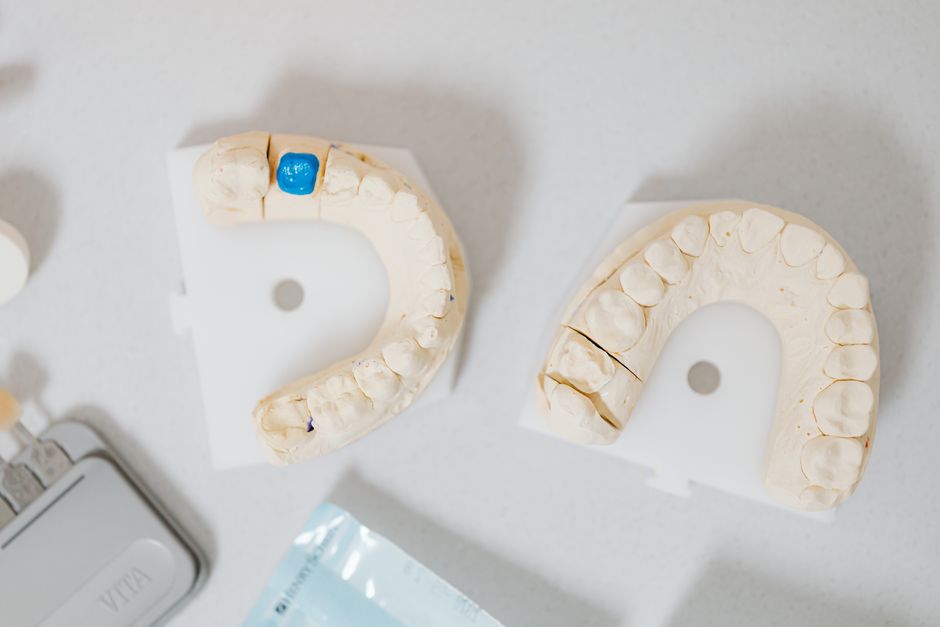
- Veneers: Veneers are thin porcelain shells bonded only to the front surface of your teeth. They are fantastic for cosmetic upgrades but require a healthy, intact tooth structure underneath. If your tooth is severely broken or decayed, a veneer won't offer enough support.
- Cosmetic Bonding: This involves applying a tooth-colored composite resin directly to the tooth. It is quick and budget-friendly, but it is prone to staining and chipping, and it typically needs replacement every few years.
- Dental Implants: If your front tooth is completely unsalvageable and must be extracted, we recommend an endosteal dental implant. At our practice, the average cost for a single-tooth dental implant is about $4,500. This replaces both the root and the crown seamlessly.
Materials and Costs for Front Tooth Crowns
Choosing the right material for a front tooth crown is critical to achieving a seamless, natural-looking smile. We avoid all-metal crowns on front teeth for obvious aesthetic reasons. Instead, we use highly advanced cosmetic materials:
- All-Ceramic / All-Porcelain: The gold standard for front teeth. These crowns offer unmatched translucency and light reflection.
- E-max (Lithium Disilicate): A type of high-strength ceramic known for its outstanding beauty and durability, making it perfect for the smile zone.
- Zirconia: Incredibly strong and fracture-resistant. Modern translucent zirconia blends high durability with excellent aesthetics.
- Porcelain-Fused-to-Metal (PFM): While strong, PFM crowns can develop a dark metal line at the gumline over time as the gums naturally recede. We generally prefer metal-free options for front teeth to prevent this.
Material Comparison Table
| Material Type | Aesthetic Quality | Durability | Best Suited For |
|---|---|---|---|
| All-Porcelain / Ceramic | Excellent (Most natural) | Moderate to High | Patients prioritizing maximum aesthetics |
| E-max | Superb (High translucency) | High | Front teeth with high aesthetic demands |
| Zirconia | Very Good | Extremely High | Patients who clench/grind their teeth |
| PFM (Porcelain-Fused-to-Metal) | Good (May show dark gumline) | Very High | High-stress bites where metal support is needed |
Costs and Financial Options
The average cost of a front tooth crown in the US typically ranges from $800 to $3,000 per tooth, depending on the material used and the complexity of the case.
If your crown is medically necessary (for instance, to repair a broken tooth or treat decay), dental insurance will often cover 50% to 80% of the cost. You can read more about this in our Tooth Crown Cost with Insurance Guide.
To learn more about ceramic options, check out our resource on the Cost of Porcelain Ceramic Crown.
No Insurance? No Problem!At North Orange Family Dentistry, we believe high-quality dental care should fit every budget. If you do not have dental insurance, we offer an in-house Dental Wellness Plan. This plan allows individuals and families to receive their necessary yearly preventive care at a discounted price, while also offering significant discounts on restorative treatments like front tooth crowns.
The Front Tooth Dental Crown Procedure
Getting a front tooth dental crown typically takes place over two comfortable appointments at our modern office.
- Preparation and Impression: During your first visit, we gently shape the tooth to make room for the crown. We then take precise digital impressions of your teeth.
- The Temporary Crown: While our trusted dental lab custom-crafts your permanent crown, we place a high-quality Temporary Tooth Cap. This protects your prepped tooth and ensures you leave our office with a complete, confident smile.
- Final Placement: Once your custom crown is ready (usually in 1 to 2 weeks), you return to our office. We remove the temporary cap, check the fit and color of the new crown, and bond it securely in place.
For a deeper look into this process, check out the guide on All About Front Tooth Crowns.
What to Expect During Your Front Tooth Dental Crown Placement
We want you to feel completely at ease during your visit. Here is a quick look at what to expect:
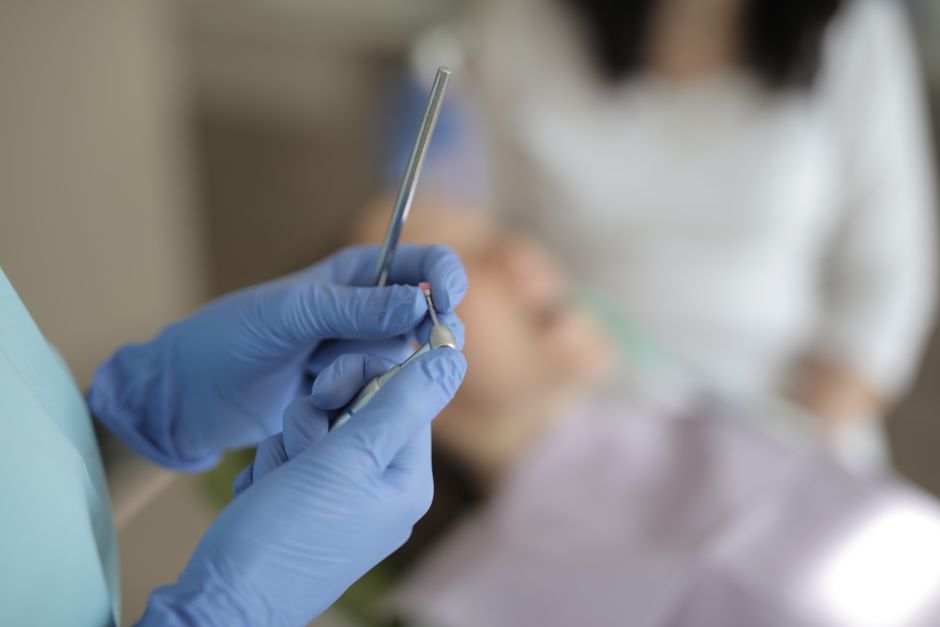
- Comfort First: We use local anesthesia to ensure the preparation process is entirely pain-free.
- Artistic Shade Matching: We will match the crown shade directly to your neighboring teeth under natural light.
- Bite Adjustments: Before final cementation, we carefully adjust the crown so your bite feels completely natural.
- Laser Technology: If your gums require minor contouring for a perfect fit, we utilize advanced laser treatments to ensure quick, comfortable healing.
Frequently Asked Questions about Front Tooth Crowns
How long does a front tooth crown typically last?
With proper care, a front tooth crown typically lasts between 10 to 15 years, and many can last decades. Avoid using your front teeth as tools (like opening packages or biting fingernails) to maximize their lifespan.
Will a front tooth crown look natural?
Yes! By utilizing advanced materials like E-max and zirconia, we can match the natural shade, shape, and translucency of your teeth so perfectly that no one will know you have a crown.
Can a crowned front tooth still get a cavity?
While the crown itself cannot decay, the natural tooth underneath it still can—especially along the gumline where the tooth meets the crown. Regular brushing, daily flossing, and professional cleanings are essential to protect your investment.
Experience a Five-Star Smile Restoration in Delaware, Ohio
At North Orange Family Dentistry, we are dedicated to providing a comfortable, personalized, and advanced dental experience for your entire family. Led by Dr. Kyle Bogan — an OSU-trained dentist and a Fellow of the International College of Dentists (putting him in the top 3% of dentists worldwide) — our team treats every patient like family.
If you are dealing with a damaged front tooth or simply want to reclaim your confidence, we are here to help. We even offer same-day emergency appointments for those unexpected dental mishaps!
Ready to restore your smile? Schedule a consultation for a dental crown with us today at our convenient Lewis Center office.
Why a Front Tooth Dental Crown Can Change More Than Just Your Smile
A front tooth dental crown is a custom-made cap that fits over a damaged, decayed, or discolored front tooth — restoring its shape, strength, and appearance completely.
Here's what you need to know at a glance:
- What it is: A tooth-shaped cap that covers the entire visible portion of a front tooth above the gum line
- When you need one: Significant decay, a chip or fracture, severe discoloration, or after a root canal
- Best materials for front teeth: All-ceramic, zirconia, or E-max — chosen for their natural look and translucency
- How long it lasts: 10 to 15 years or longer with proper care
- Procedure: Typically two appointments — tooth preparation, then final placement
- Alternatives: Veneers or bonding may work for minor cosmetic issues; crowns are best for structural damage
Your front teeth do a lot. They shape your smile, help you bite into food, and even influence how clearly you pronounce certain sounds. When one gets damaged, it's hard to ignore — both physically and emotionally.
The good news? Modern dental crowns for front teeth are remarkably lifelike. As one patient put it after completing crown treatment: "All I have to do is open my mouth and my teeth are smiling!"
Whether you chipped a tooth in an accident, have a crack that's been bothering you, or a front tooth that's simply stopped looking like it belongs in your smile — a crown may be exactly what restores your confidence.
This guide walks you through everything: what front tooth crowns are, when you need one, what the procedure looks like, and how to care for your crown long-term.
What is a Front Tooth Dental Crown?
Unlike crowns placed on your back molars, which are built almost purely to withstand heavy, grinding chewing forces, a front tooth dental crown has a double duty. It must be strong enough to handle shearing bite forces (like biting into an apple), but it also must look completely indistinguishable from your surrounding natural teeth.
Because your front teeth live directly in the "smile zone," we pay extraordinary attention to the artistic details. When crafting a front crown, we focus heavily on:
- Translucency: Natural tooth enamel isn't solid white; light actually penetrates it and reflects from within. Modern front crowns mimic this natural depth.
- Color Matching: We precisely match the shade of your crown to your adjacent teeth, accounting for the natural gradients of color from the gumline to the biting edge.
- Gumline Integration: A poorly fitting crown can irritate the gums or leave a dark, unsightly line. A high-quality front crown sits flush and healthy against your gum tissue.
To dive deeper into how crowns protect your oral health, read our article on Understanding Dental Crown Services: What You Need to Know.
Signs You Might Need a Front Tooth Dental Crown
How do you know if your front tooth is ready for a crown rather than a simple patch-up? Here are the most common warning signs:
- Visible Cracks or Fractures: If a crack runs deep into the tooth structure, a crown is needed to hold the tooth together and prevent a complete split.
- Severe Discoloration: Internal stains from old trauma, root canals, or childhood tetracycline exposure often cannot be corrected with teeth whitening. A crown masks this beautifully.
- Pain When Biting: Sharp pain when you bite down can indicate a cracked tooth or structural compromise.
- A Large, Failing Filling: If more than half of your front tooth consists of an old composite filling that keeps chipping, it is time for a stronger solution.
- Post-Root Canal Protection: Front teeth can become brittle after root canal therapy. A crown protects them from fracturing.
When is a Front Tooth Crown Recommended over Alternatives?
When a front tooth is damaged, we always look for the most conservative treatment that will yield a long-lasting, beautiful result. However, there are times when a front tooth dental crown is clearly the superior choice over alternatives like veneers, bonding, or standard fillings.
If a tooth has suffered severe decay, major trauma, or has a large, failing filling, a standard filling simply won't hold up. The biting forces on your front teeth will easily snap off large resin fillings over time. According to the Front Tooth Crown Guide, a crown provides 360-degree structural support, protecting the remaining natural tooth from further breakdown.
To learn more about the protective benefits of crowns, explore Everything You Need to Know About Dental Crowns: Protect and Enhance Your Teeth.
Comparing Crowns, Veneers, and Tooth Bonding
To help you understand your restoration options, let's look at how these common treatments stack up:
- Veneers: Veneers are thin porcelain shells bonded only to the front surface of your teeth. They are fantastic for cosmetic upgrades but require a healthy, intact tooth structure underneath. If your tooth is severely broken or decayed, a veneer won't offer enough support.
- Cosmetic Bonding: This involves applying a tooth-colored composite resin directly to the tooth. It is quick and budget-friendly, but it is prone to staining and chipping, and it typically needs replacement every few years.
- Dental Implants: If your front tooth is completely unsalvageable and must be extracted, we recommend an endosteal dental implant. At our practice, the average cost for a single-tooth dental implant is about $4,500. This replaces both the root and the crown seamlessly.
Materials and Costs for Front Tooth Crowns
Choosing the right material for a front tooth crown is critical to achieving a seamless, natural-looking smile. We avoid all-metal crowns on front teeth for obvious aesthetic reasons. Instead, we use highly advanced cosmetic materials:
- All-Ceramic / All-Porcelain: The gold standard for front teeth. These crowns offer unmatched translucency and light reflection.
- E-max (Lithium Disilicate): A type of high-strength ceramic known for its outstanding beauty and durability, making it perfect for the smile zone.
- Zirconia: Incredibly strong and fracture-resistant. Modern translucent zirconia blends high durability with excellent aesthetics.
- Porcelain-Fused-to-Metal (PFM): While strong, PFM crowns can develop a dark metal line at the gumline over time as the gums naturally recede. We generally prefer metal-free options for front teeth to prevent this.
Material Comparison Table
| Material Type | Aesthetic Quality | Durability | Best Suited For |
|---|---|---|---|
| All-Porcelain / Ceramic | Excellent (Most natural) | Moderate to High | Patients prioritizing maximum aesthetics |
| E-max | Superb (High translucency) | High | Front teeth with high aesthetic demands |
| Zirconia | Very Good | Extremely High | Patients who clench/grind their teeth |
| PFM (Porcelain-Fused-to-Metal) | Good (May show dark gumline) | Very High | High-stress bites where metal support is needed |
Costs and Financial Options
The average cost of a front tooth crown in the US typically ranges from $800 to $3,000 per tooth, depending on the material used and the complexity of the case.
If your crown is medically necessary (for instance, to repair a broken tooth or treat decay), dental insurance will often cover 50% to 80% of the cost. You can read more about this in our Tooth Crown Cost with Insurance Guide.
To learn more about ceramic options, check out our resource on the Cost of Porcelain Ceramic Crown.
No Insurance? No Problem!At North Orange Family Dentistry, we believe high-quality dental care should fit every budget. If you do not have dental insurance, we offer an in-house Dental Wellness Plan. This plan allows individuals and families to receive their necessary yearly preventive care at a discounted price, while also offering significant discounts on restorative treatments like front tooth crowns.
The Front Tooth Dental Crown Procedure
Getting a front tooth dental crown typically takes place over two comfortable appointments at our modern office.
- Preparation and Impression: During your first visit, we gently shape the tooth to make room for the crown. We then take precise digital impressions of your teeth.
- The Temporary Crown: While our trusted dental lab custom-crafts your permanent crown, we place a high-quality Temporary Tooth Cap. This protects your prepped tooth and ensures you leave our office with a complete, confident smile.
- Final Placement: Once your custom crown is ready (usually in 1 to 2 weeks), you return to our office. We remove the temporary cap, check the fit and color of the new crown, and bond it securely in place.
For a deeper look into this process, check out the guide on All About Front Tooth Crowns.
What to Expect During Your Front Tooth Dental Crown Placement
We want you to feel completely at ease during your visit. Here is a quick look at what to expect:
- Comfort First: We use local anesthesia to ensure the preparation process is entirely pain-free.
- Artistic Shade Matching: We will match the crown shade directly to your neighboring teeth under natural light.
- Bite Adjustments: Before final cementation, we carefully adjust the crown so your bite feels completely natural.
- Laser Technology: If your gums require minor contouring for a perfect fit, we utilize advanced laser treatments to ensure quick, comfortable healing.
Frequently Asked Questions about Front Tooth Crowns
How long does a front tooth crown typically last?
With proper care, a front tooth crown typically lasts between 10 to 15 years, and many can last decades. Avoid using your front teeth as tools (like opening packages or biting fingernails) to maximize their lifespan.
Will a front tooth crown look natural?
Yes! By utilizing advanced materials like E-max and zirconia, we can match the natural shade, shape, and translucency of your teeth so perfectly that no one will know you have a crown.
Can a crowned front tooth still get a cavity?
While the crown itself cannot decay, the natural tooth underneath it still can—especially along the gumline where the tooth meets the crown. Regular brushing, daily flossing, and professional cleanings are essential to protect your investment.
Experience a Five-Star Smile Restoration in Delaware, Ohio
At North Orange Family Dentistry, we are dedicated to providing a comfortable, personalized, and advanced dental experience for your entire family. Led by Dr. Kyle Bogan — an OSU-trained dentist and a Fellow of the International College of Dentists (putting him in the top 3% of dentists worldwide) — our team treats every patient like family.
If you are dealing with a damaged front tooth or simply want to reclaim your confidence, we are here to help. We even offer same-day emergency appointments for those unexpected dental mishaps!
Ready to restore your smile? Schedule a consultation for a dental crown with us today at our convenient Lewis Center office.
Contact Us
Have any questions? Want to learn more?

