
Don't Grind Your Teeth: A Complete Guide to Bruxism
Stop grinding your teeth! Learn about brucism causes, symptoms, and effective treatments to protect your smile.


Your Guide to Understanding and Stopping Teeth Grinding
Bruxism is the medical term for teeth grinding or jaw clenching. This common condition affects about 22% of people worldwide, and many don't even realize they're doing it until symptoms appear.
Quick Facts About Bruxism:
- What it is: Involuntary teeth grinding or clenching
- When it happens: During sleep (sleep bruxism) or while awake (awake bruxism)
- Who it affects: Children and adults, males and females
- Common symptoms: Jaw pain, morning headaches, worn teeth, facial soreness
- Main causes: Stress, anxiety, sleep disorders, certain medications
- Treatment options: Night guards, stress management, laser therapy, Botox injections
Occasional teeth grinding is normal, but when it's frequent, bruxism can damage teeth, disrupt sleep, and cause chronic pain. The condition often goes undiagnosed because it typically happens during sleep. By the time many people seek help, they may already have significant tooth wear.
The good news is that bruxism is manageable. From lifestyle changes to advanced treatments, there are effective ways to protect your teeth and find relief.
As Dr. Kyle Bogan, founder of North Orange Family Dentistry, I've helped countless patients in Lewis Center and Delaware manage bruxism. With over 20 years of experience and as a Fellow in the Academy of General Dentistry, my team and I create personalized treatment plans that address the root causes of teeth grinding to restore your oral health and quality of life.
Understanding and Managing Bruxism
Bruxism is a medical condition involving repeated jaw-muscle activity unrelated to normal functions like eating or talking. This oral parafunctional activity can happen while you're awake or asleep, and understanding the difference is key to finding relief.
What is Bruxism and Who is at Risk?
At its core, bruxism is the involuntary clenching or grinding of teeth. It's often an unconscious act.
- Awake Bruxism: This occurs while conscious, often as a response to stress, anxiety, or deep concentration. It usually involves clenching rather than grinding.
- Sleep Bruxism: This happens during sleep and is considered a sleep-related movement disorder. It involves rhythmic jaw muscle contractions that cause grinding or clenching, which a sleep partner may hear.
While nearly everyone grinds their teeth occasionally, clinical bruxism requires intervention. Children can experience bruxism (about 14-20% prevalence), but it often resolves with age. In adults, the prevalence is around 8%. There is also a genetic component; up to half of people with sleep bruxism have a family history of it. Awake bruxism is more common in females, but overall rates are similar between genders.
For more detailed information, you can explore scientific research on bruxism from trusted sources like the National Library of Medicine.
The Telltale Signs: Symptoms and Complications
If left untreated, bruxism can lead to uncomfortable symptoms and serious oral health complications.
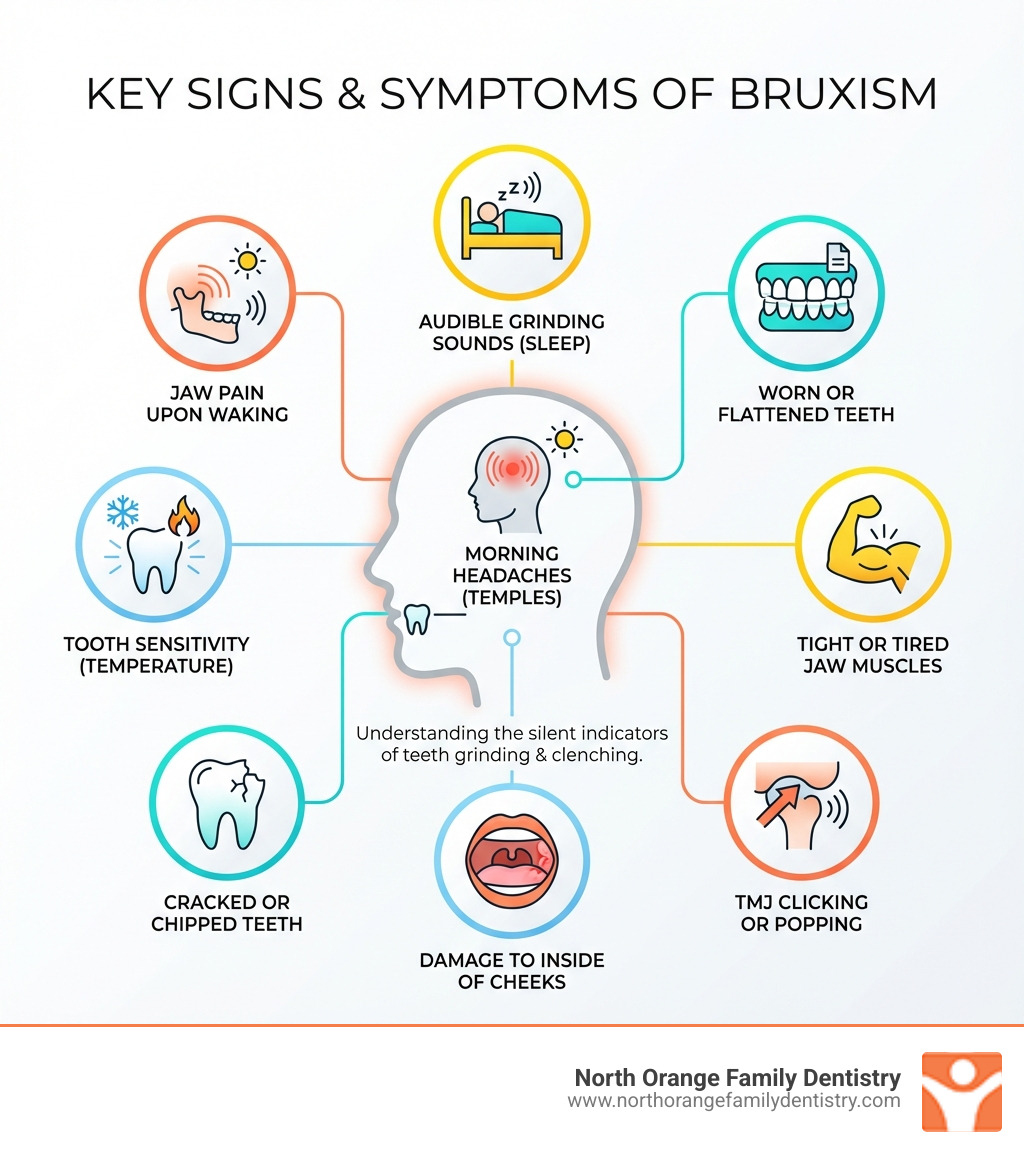
Here are the signs we look for:
- Jaw Pain and Stiffness: Waking with a sore, stiff jaw or facial pain, especially around the temporomandibular joints (TMJ).
- Morning Headaches: Persistent headaches starting at the temples.
- Tooth Sensitivity: Increased sensitivity to hot, cold, or sweet foods as enamel wears down.
- Audible Grinding Sounds: A bed partner may hear grinding noises during sleep.
- Worn, Flattened, or Chipped Teeth: Constant friction can wear down, flatten, chip, or crack teeth.
- Damaged Dental Restorations: The force of grinding can break crowns, fillings, and veneers.
- Temporomandibular Joint (TMJ) Disorders: Repetitive strain can lead to clicking, popping, or locking of the jaw.
- Enamel Wear: The protective outer layer of teeth (enamel) is worn away, exposing the softer dentin and increasing decay risk.
- Tongue or Cheek Damage: Indentations on the tongue or damage to the inside of the cheek from biting.
We offer comprehensive evaluations for TMJ pain, which is often linked to bruxism. Advanced options like Botox for TMJ can provide significant relief from muscle tension.
Uncovering the Causes and Risk Factors of Bruxism
The cause of bruxism is often multifactorial, with several elements contributing.
Common causes and risk factors include:
- Stress and Anxiety: Emotional pressure is a primary trigger, causing unconscious jaw tension as a coping mechanism.
- Personality Types: Aggressive, competitive, or hyperactive personality traits may increase risk.
- Lifestyle Factors:
- Caffeine and Alcohol: Excessive intake can overstimulate the nervous system and increase grinding.
- Smoking: Smokers are twice as likely to experience bruxism.
- Recreational Drugs: Drugs like ecstasy and methamphetamine are known to cause severe jaw clenching.
- Sleep Disorders: Bruxism is often linked to sleep apnea and other disturbances that interrupt sleep. The body may clench the jaw to open the airway.
- Certain Medications: Some antidepressants (SSRIs), ADHD medications, and anti-seizure drugs can induce bruxism as a side effect.
- Other Medical Conditions: Neurological disorders like Parkinson's disease or conditions like GERD can be associated with bruxism.
- Awake Mouth Habits: Chronic habits like lip biting or excessive gum chewing can train jaw muscles to remain overactive.
Understanding these triggers is crucial for developing an effective treatment plan. For more insights, the National Institutes of Health offers resources like Taking on Teeth Grinding and Clenching.
Professional Diagnosis and Treatment Pathways
If you suspect you have bruxism, a professional dental evaluation is the most important step. As your dental care providers in Lewis Center and Delaware, we can diagnose the condition and create a personalized treatment plan.
How We Diagnose Bruxism:
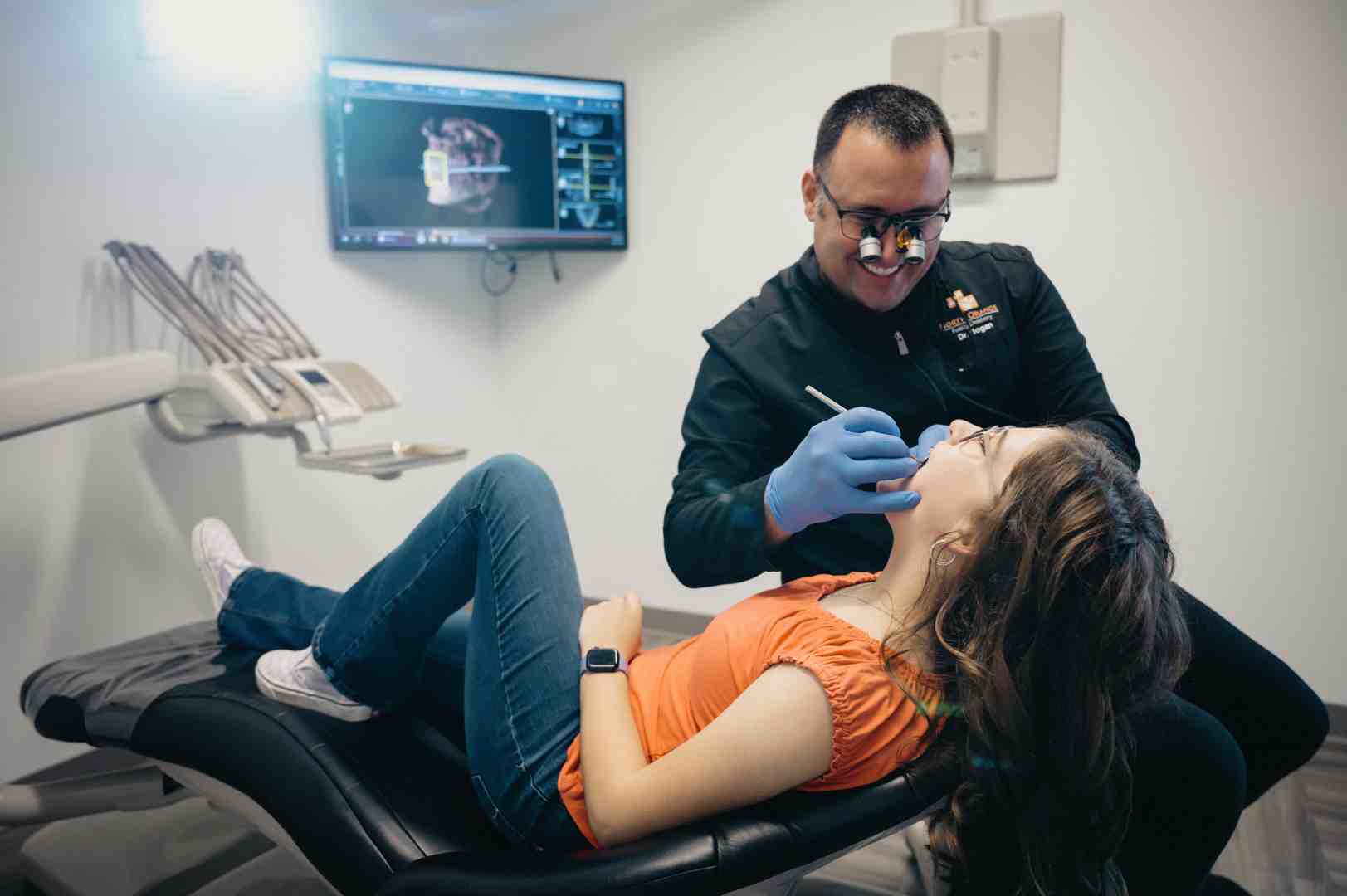
Diagnosis involves a comprehensive dental exam to check for wear patterns and jaw tenderness, a review of your symptoms and medical history, and sometimes X-rays. We'll monitor your condition over several visits to track its progression.
Our Treatment Options for Bruxism:
Our goal is to protect your teeth, relieve pain, and address the underlying causes.
- Occlusal Splints and Night Guards: A custom-fit mouthpiece is often the first line of defense. It creates a protective barrier that absorbs grinding forces, prevents tooth wear, and reduces jaw muscle pain.
- Dental Corrections: If misaligned teeth contribute to your bruxism, we may recommend:
- Invisalign: To correct bite problems and tooth alignment.
- Restorative Dentistry: We can use crowns, veneers, or tooth bonding to repair teeth damaged by grinding.
- Dental Implants: For severely damaged or lost teeth, an endosteal dental implant offers a durable replacement. A single implant costs around $4500.
- Emergency Dental Care: If bruxism causes a fractured tooth or severe pain, we provide emergency dental treatments, often on the same day.
- Laser Therapy for TMJ Pain: Our practice features advanced laser treatments to reduce TMJ pain and inflammation associated with bruxism. This innovative therapy promotes healing in the jaw joint and muscles. We also use lasers for canker sore and periodontal disease treatment.
- Botox Injections: For severe cases, Botox injections can provide significant relief. Administered by our qualified dentists, Botox relaxes overactive jaw muscles, reducing the force of clenching. Find More info about Botox for teeth grinding near me on our site.
- Mandibular Advancement Devices: If sleep apnea is a contributing factor, these devices can help keep the airway open during sleep by gently repositioning the lower jaw.
Our team will discuss all suitable, conservative options with you to align with your oral health goals.
At-Home Management: Tips and Lifestyle Changes
In addition to professional treatment, at-home strategies can help you manage symptoms and reduce grinding.
- Stress Reduction: Practice meditation, yoga, or deep breathing exercises to calm your nervous system and reduce overall tension. Regular exercise is also a great stress reliever.
- Jaw Relaxation: Consciously relax your jaw throughout the day. Rest your tongue on the roof of your mouth with your teeth slightly apart. Applying a warm compress to your jaw before bed can also help.
- Behavioral Awareness: If you clench while awake, set reminders to check your jaw position and consciously relax it.
- Dietary Adjustments: Avoid hard or chewy foods to give your jaw muscles a rest. Limit stimulants like caffeine and alcohol, especially before bed.
- Good Sleep Hygiene: Maintain a consistent sleep schedule, create a relaxing bedtime routine, and avoid screens before bed to improve sleep quality.
- Stay Hydrated: Proper hydration can help prevent muscle tension.
- Avoid Chewing Gum: Excessive gum chewing can overwork your jaw muscles.
The Broader Impact of Bruxism on Your Health
Bruxism is more than a dental issue; it can significantly affect your overall health and well-being.
Oral Health Impact:The immense pressure from grinding can lead to severe consequences, including cracked or loose teeth, tooth loss, and damage to the gums and jawbone. It frequently causes dental restorations like crowns and veneers to fail, requiring costly repairs. Our cosmetic services, including veneers, teeth whitening, and digital dentures, can restore smiles affected by long-term grinding.
Overall Well-being:Sleep bruxism disrupts sleep, leading to daytime fatigue and difficulty concentrating. The condition often causes chronic pain, including headaches, facial soreness, and neck pain, which can diminish your quality of life. This constant discomfort can also impact mental health, increasing stress and anxiety. Bruxism is often linked to other conditions like sleep apnea and GERD, making its management a key part of your overall health strategy. As qualified professionals, dentists can administer treatments like Botox to holistically manage these interconnected issues. You can learn More info about how dentists can administer Botox on our website.
Take Control of Your Oral Health in Lewis Center, OH
Living with bruxism is challenging, but you don't have to let it control your life. While understanding the condition is the first step, professional diagnosis and personalized care are essential for finding lasting relief and preventing further damage.
At North Orange Family Dentistry, our team is dedicated to providing a thorough evaluation and a custom treatment plan. Conveniently located for families in Lewis Center and Delaware, Ohio, our practice uses advanced technology to ensure precise and effective care. Dr. Kyle Bogan and our team are committed to delivering a five-star patient experience on your journey to a healthier smile.
We believe quality dental care should be accessible. For individuals or families without insurance, our Dental Wellness Plan offers a way to receive necessary yearly care at a discounted price.
Don't let teeth grinding damage your smile or disrupt your life. We are here to help you take control of your oral health.
Schedule a consultation for TMJ and bruxism treatment with us today and find the difference personalized care can make.
Your Guide to Understanding and Stopping Teeth Grinding
Bruxism is the medical term for teeth grinding or jaw clenching. This common condition affects about 22% of people worldwide, and many don't even realize they're doing it until symptoms appear.
Quick Facts About Bruxism:
- What it is: Involuntary teeth grinding or clenching
- When it happens: During sleep (sleep bruxism) or while awake (awake bruxism)
- Who it affects: Children and adults, males and females
- Common symptoms: Jaw pain, morning headaches, worn teeth, facial soreness
- Main causes: Stress, anxiety, sleep disorders, certain medications
- Treatment options: Night guards, stress management, laser therapy, Botox injections
Occasional teeth grinding is normal, but when it's frequent, bruxism can damage teeth, disrupt sleep, and cause chronic pain. The condition often goes undiagnosed because it typically happens during sleep. By the time many people seek help, they may already have significant tooth wear.
The good news is that bruxism is manageable. From lifestyle changes to advanced treatments, there are effective ways to protect your teeth and find relief.
As Dr. Kyle Bogan, founder of North Orange Family Dentistry, I've helped countless patients in Lewis Center and Delaware manage bruxism. With over 20 years of experience and as a Fellow in the Academy of General Dentistry, my team and I create personalized treatment plans that address the root causes of teeth grinding to restore your oral health and quality of life.
Understanding and Managing Bruxism
Bruxism is a medical condition involving repeated jaw-muscle activity unrelated to normal functions like eating or talking. This oral parafunctional activity can happen while you're awake or asleep, and understanding the difference is key to finding relief.
What is Bruxism and Who is at Risk?
At its core, bruxism is the involuntary clenching or grinding of teeth. It's often an unconscious act.
- Awake Bruxism: This occurs while conscious, often as a response to stress, anxiety, or deep concentration. It usually involves clenching rather than grinding.
- Sleep Bruxism: This happens during sleep and is considered a sleep-related movement disorder. It involves rhythmic jaw muscle contractions that cause grinding or clenching, which a sleep partner may hear.
While nearly everyone grinds their teeth occasionally, clinical bruxism requires intervention. Children can experience bruxism (about 14-20% prevalence), but it often resolves with age. In adults, the prevalence is around 8%. There is also a genetic component; up to half of people with sleep bruxism have a family history of it. Awake bruxism is more common in females, but overall rates are similar between genders.
For more detailed information, you can explore scientific research on bruxism from trusted sources like the National Library of Medicine.
The Telltale Signs: Symptoms and Complications
If left untreated, bruxism can lead to uncomfortable symptoms and serious oral health complications.
Here are the signs we look for:
- Jaw Pain and Stiffness: Waking with a sore, stiff jaw or facial pain, especially around the temporomandibular joints (TMJ).
- Morning Headaches: Persistent headaches starting at the temples.
- Tooth Sensitivity: Increased sensitivity to hot, cold, or sweet foods as enamel wears down.
- Audible Grinding Sounds: A bed partner may hear grinding noises during sleep.
- Worn, Flattened, or Chipped Teeth: Constant friction can wear down, flatten, chip, or crack teeth.
- Damaged Dental Restorations: The force of grinding can break crowns, fillings, and veneers.
- Temporomandibular Joint (TMJ) Disorders: Repetitive strain can lead to clicking, popping, or locking of the jaw.
- Enamel Wear: The protective outer layer of teeth (enamel) is worn away, exposing the softer dentin and increasing decay risk.
- Tongue or Cheek Damage: Indentations on the tongue or damage to the inside of the cheek from biting.
We offer comprehensive evaluations for TMJ pain, which is often linked to bruxism. Advanced options like Botox for TMJ can provide significant relief from muscle tension.
Uncovering the Causes and Risk Factors of Bruxism
The cause of bruxism is often multifactorial, with several elements contributing.
Common causes and risk factors include:
- Stress and Anxiety: Emotional pressure is a primary trigger, causing unconscious jaw tension as a coping mechanism.
- Personality Types: Aggressive, competitive, or hyperactive personality traits may increase risk.
- Lifestyle Factors:
- Caffeine and Alcohol: Excessive intake can overstimulate the nervous system and increase grinding.
- Smoking: Smokers are twice as likely to experience bruxism.
- Recreational Drugs: Drugs like ecstasy and methamphetamine are known to cause severe jaw clenching.
- Sleep Disorders: Bruxism is often linked to sleep apnea and other disturbances that interrupt sleep. The body may clench the jaw to open the airway.
- Certain Medications: Some antidepressants (SSRIs), ADHD medications, and anti-seizure drugs can induce bruxism as a side effect.
- Other Medical Conditions: Neurological disorders like Parkinson's disease or conditions like GERD can be associated with bruxism.
- Awake Mouth Habits: Chronic habits like lip biting or excessive gum chewing can train jaw muscles to remain overactive.
Understanding these triggers is crucial for developing an effective treatment plan. For more insights, the National Institutes of Health offers resources like Taking on Teeth Grinding and Clenching.
Professional Diagnosis and Treatment Pathways
If you suspect you have bruxism, a professional dental evaluation is the most important step. As your dental care providers in Lewis Center and Delaware, we can diagnose the condition and create a personalized treatment plan.
How We Diagnose Bruxism:
Diagnosis involves a comprehensive dental exam to check for wear patterns and jaw tenderness, a review of your symptoms and medical history, and sometimes X-rays. We'll monitor your condition over several visits to track its progression.
Our Treatment Options for Bruxism:
Our goal is to protect your teeth, relieve pain, and address the underlying causes.
- Occlusal Splints and Night Guards: A custom-fit mouthpiece is often the first line of defense. It creates a protective barrier that absorbs grinding forces, prevents tooth wear, and reduces jaw muscle pain.
- Dental Corrections: If misaligned teeth contribute to your bruxism, we may recommend:
- Invisalign: To correct bite problems and tooth alignment.
- Restorative Dentistry: We can use crowns, veneers, or tooth bonding to repair teeth damaged by grinding.
- Dental Implants: For severely damaged or lost teeth, an endosteal dental implant offers a durable replacement. A single implant costs around $4500.
- Emergency Dental Care: If bruxism causes a fractured tooth or severe pain, we provide emergency dental treatments, often on the same day.
- Laser Therapy for TMJ Pain: Our practice features advanced laser treatments to reduce TMJ pain and inflammation associated with bruxism. This innovative therapy promotes healing in the jaw joint and muscles. We also use lasers for canker sore and periodontal disease treatment.
- Botox Injections: For severe cases, Botox injections can provide significant relief. Administered by our qualified dentists, Botox relaxes overactive jaw muscles, reducing the force of clenching. Find More info about Botox for teeth grinding near me on our site.
- Mandibular Advancement Devices: If sleep apnea is a contributing factor, these devices can help keep the airway open during sleep by gently repositioning the lower jaw.
Our team will discuss all suitable, conservative options with you to align with your oral health goals.
At-Home Management: Tips and Lifestyle Changes
In addition to professional treatment, at-home strategies can help you manage symptoms and reduce grinding.
- Stress Reduction: Practice meditation, yoga, or deep breathing exercises to calm your nervous system and reduce overall tension. Regular exercise is also a great stress reliever.
- Jaw Relaxation: Consciously relax your jaw throughout the day. Rest your tongue on the roof of your mouth with your teeth slightly apart. Applying a warm compress to your jaw before bed can also help.
- Behavioral Awareness: If you clench while awake, set reminders to check your jaw position and consciously relax it.
- Dietary Adjustments: Avoid hard or chewy foods to give your jaw muscles a rest. Limit stimulants like caffeine and alcohol, especially before bed.
- Good Sleep Hygiene: Maintain a consistent sleep schedule, create a relaxing bedtime routine, and avoid screens before bed to improve sleep quality.
- Stay Hydrated: Proper hydration can help prevent muscle tension.
- Avoid Chewing Gum: Excessive gum chewing can overwork your jaw muscles.
The Broader Impact of Bruxism on Your Health
Bruxism is more than a dental issue; it can significantly affect your overall health and well-being.
Oral Health Impact:The immense pressure from grinding can lead to severe consequences, including cracked or loose teeth, tooth loss, and damage to the gums and jawbone. It frequently causes dental restorations like crowns and veneers to fail, requiring costly repairs. Our cosmetic services, including veneers, teeth whitening, and digital dentures, can restore smiles affected by long-term grinding.
Overall Well-being:Sleep bruxism disrupts sleep, leading to daytime fatigue and difficulty concentrating. The condition often causes chronic pain, including headaches, facial soreness, and neck pain, which can diminish your quality of life. This constant discomfort can also impact mental health, increasing stress and anxiety. Bruxism is often linked to other conditions like sleep apnea and GERD, making its management a key part of your overall health strategy. As qualified professionals, dentists can administer treatments like Botox to holistically manage these interconnected issues. You can learn More info about how dentists can administer Botox on our website.
Take Control of Your Oral Health in Lewis Center, OH
Living with bruxism is challenging, but you don't have to let it control your life. While understanding the condition is the first step, professional diagnosis and personalized care are essential for finding lasting relief and preventing further damage.
At North Orange Family Dentistry, our team is dedicated to providing a thorough evaluation and a custom treatment plan. Conveniently located for families in Lewis Center and Delaware, Ohio, our practice uses advanced technology to ensure precise and effective care. Dr. Kyle Bogan and our team are committed to delivering a five-star patient experience on your journey to a healthier smile.
We believe quality dental care should be accessible. For individuals or families without insurance, our Dental Wellness Plan offers a way to receive necessary yearly care at a discounted price.
Don't let teeth grinding damage your smile or disrupt your life. We are here to help you take control of your oral health.
Schedule a consultation for TMJ and bruxism treatment with us today and find the difference personalized care can make.
Contact Us
Have any questions? Want to learn more?

